To note: I write about the growing interest in sober curiosity and offer resources for folks interested in moderating their alcohol (or other substance) use. If you are physically dependent on alcohol or other substances, please consult with your primary care physician or other medical and psychiatric providers to ensure you safely mitigate/prepare for potential withdrawal symptoms or other serious side effects that come from decreasing use.
As we move into 2026, we are entering a month packed full of new years resolutions and intentions- a popular one being Dry January, where people take a break from alcohol (or other substances, like cannabis) for a month. Dry January was first officially launched in 2013 by the org Alcohol Change UK, though periods of sobriety or abstaining from substance use has been present among various cultures, religions, etc. for many years.
Since 2021, more people than ever- especially younger adults (shout out to our Gen Zers out there!)- have been stepping back from alcohol consumption (and cannabis use) for a variety of reasons, including efforts to improve mental, physical, and financial health and well-being. More research is coming out to show the negative effects alcohol has on the physical body long-term, and something I often hear from clients is how alcohol (which is a depressant) often makes them feel more sad, anxious and/or in a lower mood, especially after extensive use. While you get the short term good feels from the dopamine rush alcohol provides, over time your body produces less dopamine on a regular basis to compensate for these boosts from alcohol use– making you more dependent on alcohol.
My intention of writing this blog is not to shame anyone for any decisions or choices they make around alcohol or substance use- your body, your choice! However, I do believe everyone deserves opportunities to be present and feel good in their bodies and minds, and sometimes getting curious about and/or moderating substance use can help us get there. I have been inspired by many of my Gen Z and Millennial clients who have decided to moderate their alcohol or cannabis use due to wanting to be more attuned to and present within their bodies and minds.
Here are a few sober curious and mindful moderation resources and best practices that I’ve gathered from clients, colleagues, and from my own self-exploration over the past few years:
“Are You Sober Curious?” Reflection (Journal Prompts)
To Write Love on Her Arms (a non-profit movement focused on supporting folks struggling with addiction and mental health crises) offers a variety of helpful reflective prompts and worksheets. If you scroll down halfway to the “Deepen Your Understanding” section on their mental health toolkit, you can download their free “Are You Sober Curious?” worksheet which offers guided reflective prompts to support you in reflecting on your relationship with alcohol/substances, exploring what sobriety and sober curiosity means to you, and setting intentions/taking action. There are also some beautiful self-compassion affirmations- right below the worksheet section.
Urge Surfing (Mindfulness Practice)
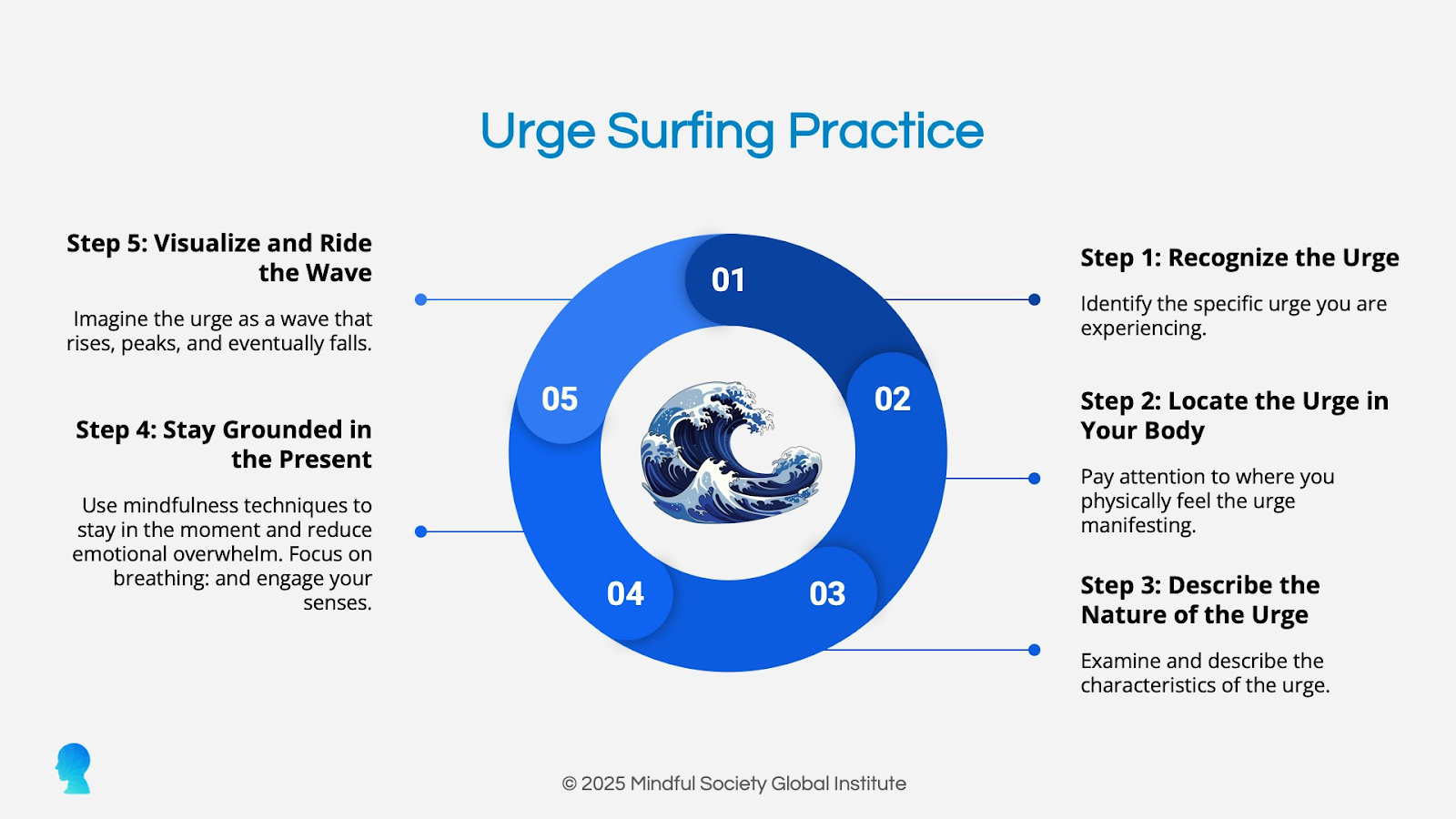
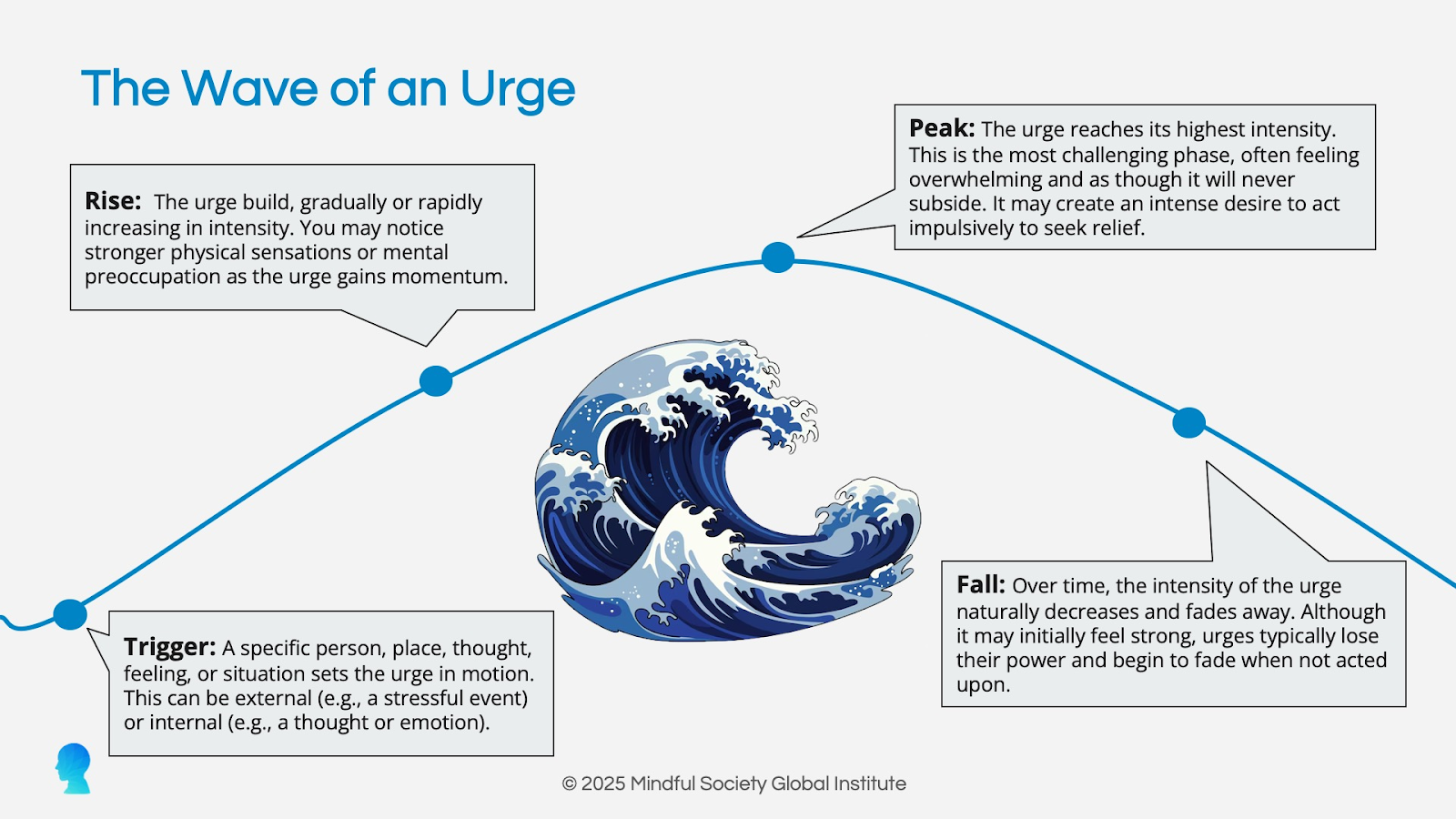
One of the challenges folks may find when decreasing alcohol and/or substance use is moving through urges or cravings that may surface, especially during moments of stress or unease where a drink or smoking may have been a go-to release or coping tool in the past. Urge surfing is a mindfulness technique which guides you through cravings by 1) acknowledging your urge, 2) noticing thoughts/feelings without changing or suppressing them, and 3) reminding yourself that you can move through this discomfort and that this urge is temporary. Then, I often encourage folks to identify an alternate coping mechanism, distress tolerance tool or something that can help take the mind off the urge and get back into your body (ex: splashing face with cold water, holding an ice cube, getting outside, eating a sour or mint candy). This 8-minute meditation from the University of Washington is lovely (one of my personal go-tos!), and will often take you all the way through an urge.
Quit Like a Woman: The Radical Choice to Not Drink in a Culture Obsessed with Alcohol (Book)
Holly Whitaker offers a powerful personal and societal narrative around the culture of alcohol, and offers a helpful, inclusive framework for folks to follow if interested in moderating (or quitting) alcohol use. I appreciate Holly’s framework, which is non-hierarchal and inclusive for all genders or identities- something that can be harder to find in westernized cultures. She offers 6 elements of a feminist-centric recovery, which I highly recommend checking out if interested; these can all be personalized and tailored to fit your intentions, beliefs and needs:
Work with Our Core Beliefs
Weaken and Break the Cycle of Addiction
Add Healthy Coping Mechanisms
Get at the Root Causes
Practice Sobriety
Create a recovery that evolves as you do (pages 131-138).
Holly writes: “The paradigm isn’t solely about abstinence; it’s about finding the lives we’ve got buried within us, and living those lives out loud. This is about finding the truest version of ourselves and letting that lead the way.”
Mindful Drinking: How Cutting Down Can Change Your Life (Book)
Journalist Rosamund Dean offers another insightful, compassionate book which is part memoir, part self-help; she thoughtfully shares her personal journey with moderating alcohol use, and walks clients through supportive reflective prompts, ideas and strategies for moderating use, and navigating potential triggers or barriers. Rosamund also shares many benefits to decreasing alcohol consumption, including (but not limited to) improved sleep hygiene, energy levels, immunity, productivity, saving more $$$, and overall better mental and physical health.
Alcohol-Free Spaces and Bevs (Places in Chicago)
Looking for sober-friendly places or beverages in Chicago? Check out this list from Choose Chicago of non-alcoholic bars, bev shops, the best mocktail offerings, and other alcohol-free hang out spaces across the city! Shout out to Solar Intentions in Edgewater, an excellent recommendation from one of my clients.
Join Margy for her upcoming integrated yoga + therapy workshop with Hannah, Yoga for Transitions, on Sunday, March 15th at 2 pm.